There is a lot of talk about guts at the moment, and not the jumping off a cliff kind of guts. It is becoming increasingly evident that the gut is a big player in the health of the body. So, what does this mean and how can you support it?
There are a few microbiomes in the body; oral microbiome, gut microbiome, skin microbiome and vaginal microbiome…the list goes on. The gut microbiome is built up after birth. the microbiome supports immunity, metabolic status and has anti-inflammatory properties.
Our gut is filled with 1-2kg of bacteria, the diversity of this bacteria is key to health. A typical western diet has been shown to decrease diversity and level of beneficial bifidobacteria. Changing your diet can alter your microbiome, increasing diversity and having a positive effect on your health.
A whole-foods diet containing whole grains, legumes, fruits, vegetables and nuts will go a long way in promoting your microbial diversity. Probiotic (foods containing live bacteria) and prebiotic (fibre) foods can also be particularly useful in helping keep your gut healthy.
Probiotic foods include:
- Yoghurt (one with added live or active cultures) – Lactobacillus and Bifidobacterium species are the ones to look out for
- Kefir – This can be a strong taste but can be nice added to porridge or in a smoothie
- Sauerkraut
- Kombucha – watch out for high sugar levels as these will negate the gut health benefits
- Kimchi
Prebiotic foods include:
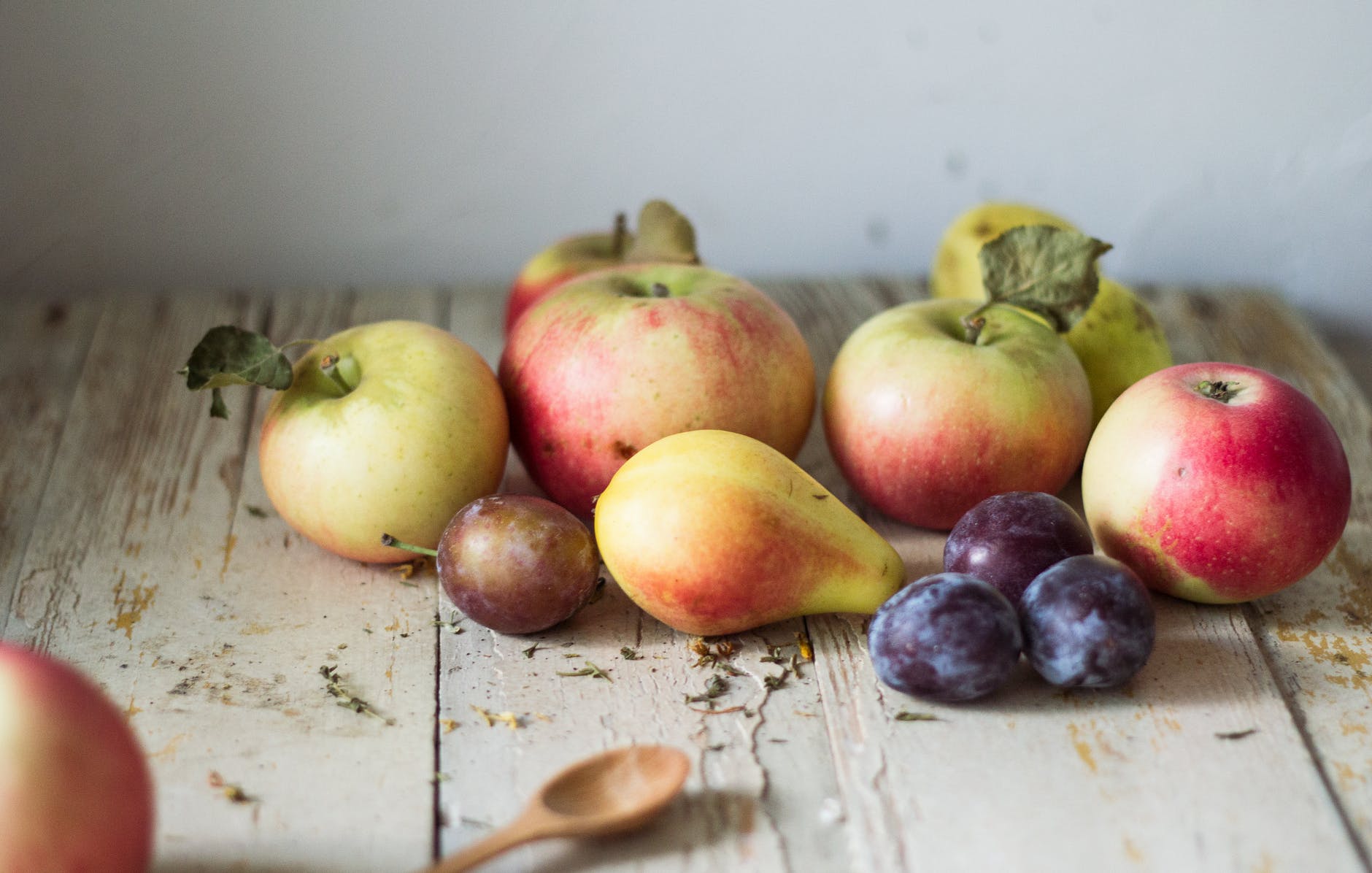
- Apples, prunes, pears and apricots
- Leeks, garlic, beans and lentils
- Cashews
- Chai tea
Top tip: build up prebiotic foods gradually to help with any bloating that may occur.
While a plant-based diet can increase diversity this doesn’t mean you have to give up meat, if you don’t wish to.
The gut microbiome can be affected by:
- Stress
- Diet
- Life stage
- Geography
- Method of birth and infant feeding method
ZOE is currently doing a huge study, that you can be part of, into gut health. You can join them by taking a short quiz, you will have your gut health assessed and results provided.
Lifestyle changes can help support your microbiome:
- Smith et al (2019) found that getting a good night’s sleep can support the body’s microbiomes and increase diversity.
- Hughes and Holscher (2021) found that exercise increases blood flow to areas and increases microflora diversity.
This is a very exciting area of study and will be evolving in the near future as studies conclude. Look out for exciting discoveries!
 HPS.Healthandnutrition
wow!! 107What’s your toxic load?
LikeLike