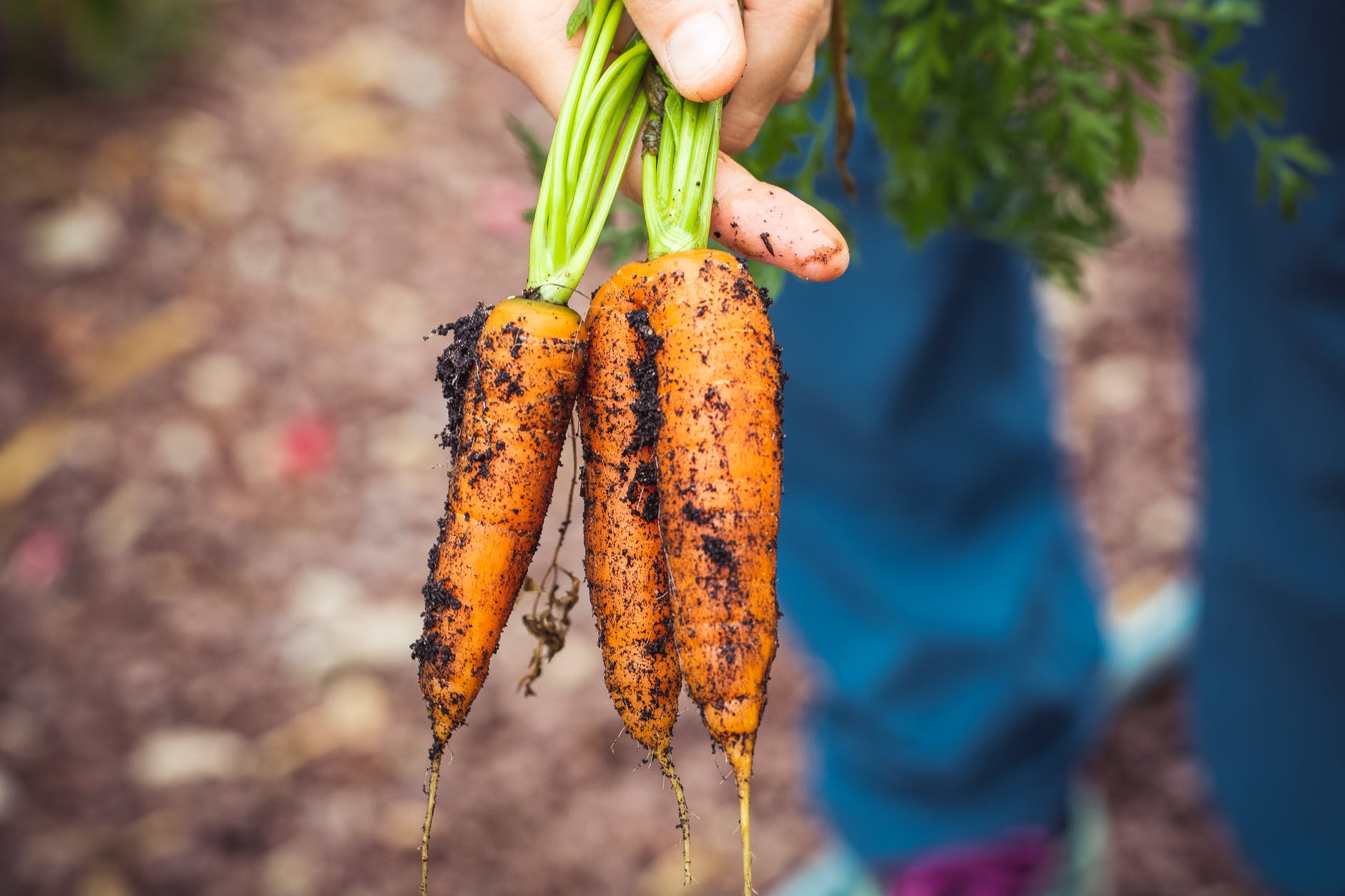
September is organic awareness month, aiming to raise awareness of organic products and the farmers/producers who bring you them. Food products must meet strict regulations to be able to be labelled as organic. The companies/farms that produce organic products are inspected yearly, in the UK, to ensure they meet the high standards required under European law.
Organic products:
- contain no artificial additives or preservatives
- have fewer pesticides (there are 20 pesticides, deriving from natural ingredients, that organic farmers can use. It’s 300 in regular farming)
- contain no genetically modified ingredients
- are produced in a sustainable way
- meet high standards of animal welfare
There are certain fruits and vegetables that have more pesticides on than others, known as the dirty dozen:
- Strawberries
- Spinach
- Kale, collard greens, and mustard greens
- Nectarines
- Apples
- Grapes
- Bell peppers and hot peppers
- Cherries
- Peaches
- Pears
- Celery
- Tomatoes
This doesn’t mean you should avoid them, but go organic, wash thoroughly with bicarbonate of soda and water or grow your own.
The lower your exposure to plastics and pesticides also benefits your health by lowering the toxic load you are exposed to. This will help your whole body function better, especially your hormones. However, organic does come at a cost so you need to weigh up what you want to spend vs benefit.
Easy ways to reduce toxic burden from food:
- Swapping one item to organic each week is better for you and better for animals and wildlife raised under better conditions
- Try to swap one of the dirty dozen to one with lower pesticide residue on lower your toxic burden
- Soak fruit and vegetables in bicarb of soda and water for at least 10 minutes, then rinse in water
- Eat seasonally, fruit and vege in season need fewer pesticides
- Check out the clean fifteen
Let me know if you decide to make any switches! 🙂
 HPS.Healthandnutrition