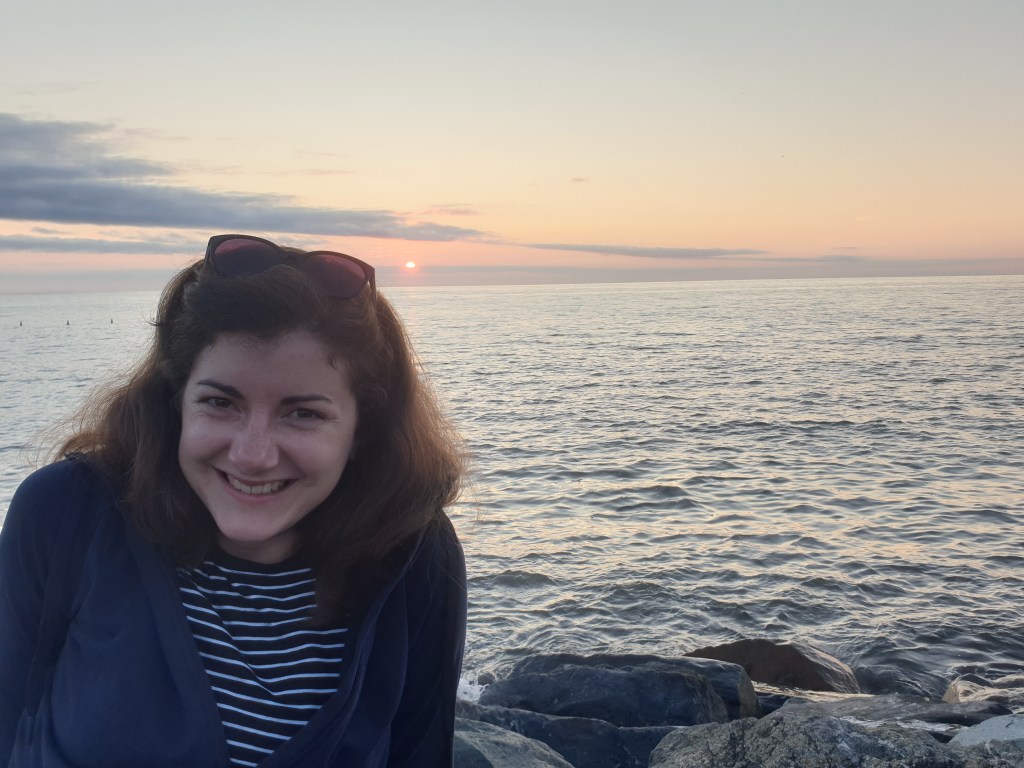
My personal experience of PCOS isn’t something I talk about very often but September is PCOS awareness month and I feel it’s important to share, especially if it helps someone else feel less alone.
I don’t really remember having a regular period, except when on the pill and they’ve always been 7 days and heavy for the first 3ish days. My first experiences of going to the doctor involved being sent for an ultrasound, which showed polycystic ovaries, and then being put on the pill. Back then I was naive to the band-aid effect of the pill and trusted the doctors were doing what was best for me. When I look back I am annoyed at myself for not taking a more proactive role in my health but I was uneducated and so unaware.
For years I continued on a cycle of being on and off the pill but over time my interest in female health grew and I began to do my own research. I was shocked to learn that the bleed between pill packets is not a period, it’s just a withdrawal bleed. So it hadn’t magically fixed my PCOS, it was an effect of the tablets. I finally came off the pill for good in early 2020, I then had 6 months of regular periods. I was hopeful that I was somehow managing my PCOS, but then it stopped and I didn’t get another one for about 2 months. It then came every 40-70 days. In the midst of a pandemic and other life things going on I didn’t do anything about it initially.
It took over a year of irregular periods for me to seek help, but this time I went to a nutritional therapist. Nutritional therapists look at the root cause, not just the symptoms, and use a whole body and lifestyle approach to help alleviate symptoms.

The advice that has had the most impact, I feel, is having a savoury breakfast. I would regularly start the day with something sweet and then wonder why I was tired and hungry two hours later. But switching to a savoury breakfast has helped regulate my blood glucose levels and means I am full till lunch and no longer have slumps. The fewer blood sugar spikes helps balance hormones.
Other changes I made were:
- Taking a magnesium supplement (please consult a professional before starting any supplements)
- A daily walk and regular strength training
- Regular sleep timing (wind down routine at the same time each night and get up at the same time)
- Reduce sugar but if eating something sweet have it after protein and fats
- Reduce stress, for me this has meant talking more to loved ones and meditation
- Reducing toxic load (storing food in glass dishes, natural skincare, fewer chemicals, windows open) – more on this in next week’s blog!
Please note: these changes were made with the help of a nutritional therapist, please consult a professional before making any changes.
These changes have not only helped my period but I have noticed other changes; my skin is clearer, less excess hair, fewer mood swings and less brain fog. All these symptoms have caused so much mental distress for so many years, I wish I had known how to help them earlier. I am not cured but I am managing my symptoms well and that is definitely a win!
This is not a hate against doctors, they are not trained in this way and focus on solving the symptoms rather than the root cause. However, I would strongly recommend working with you GP/consultant and a nutritional therapist. That way you get the best of both worlds.
Do you have any top tips that have helped you?
 HPS.Healthandnutrition