As April is national stress awareness month I have focused on that in this blog. Stress impacts all of us at times, some more often than others, and causes a series of events in the body. You’ve probably heard of ‘fight or flight’, our body’s reaction to a stressor, it was vital in caveman times when you would need to escape a predator. However, in modern day, how often do you find yourself outrunning a lion?
Of course, our stresses are now different, predominantly psychological stress but also still physical stress, such as overexercising. A stressor is anything that disturbs the body, such as heat or cold, an emotional reaction, environmental toxins or surgery. The changes to bring your body back to equilibrium are called the stress response.
The fight or flight response causes your sympathetic nervous system to fire up causing a rush of adrenaline and body responses:
- Increased heart rate
- Constriction of blood vessels in the peripheral areas of the body
- Dilation of blood vessels to key areas (heart, lungs, skeletal muscles)
- Conversion of glycogen into glucose
- Sweating
- Dilation of airways
- Water retention and raised blood pressure
- Decrease in digestion activities
These will all help you deal with the stressor in the short term. A longer lasting response, the resistance reaction, increases the release of cortisol. Cortisol then stimulates gluconeogenesis (the production of glucose from non-carb sources. It also reduces inflammation and the immune response.
In short doses this is a normal physiological process and the body can cope but long term it will lead to exhaustion. This exhaustion causes muscle wasting and immune system suppression.
Although a bit of stress is good for the body and can help with productivity and motivation, too much isn’t a good thing. There is good news though! You can help your body to de-stress and prevent exhaustion.
What works for you will differ to other people, try a few and find out what works. Here are my top tips:
- Try and get as much fruit, vegetables and wholegrain into your diet as possible. The vitamins and minerals will help you feel at your best and more able to cope with whatever comes your way.
- Meditation can be useful for some, sessions can be found on You Tube, Headspace and Calm
- Laugh, simple as it sounds laughing can cause positive changes and leave you feeling de-stressed and brighter. If you are a fan of yoga, try laughter yoga.
- Make sleep a priority, create a routine for bedtime and practice good sleep hygiene.
- Move your body, in whatever way feels good for you – yoga, running, dancing around the kitchen, it doesn’t need to be a formal class just whatever feels good to you. Just don’t overdo it, 30 mins a day/5 days a week, on average is sufficient.
- Chat with loved ones, social contact can be an excellent stress reliever and provide distraction from the stressor.
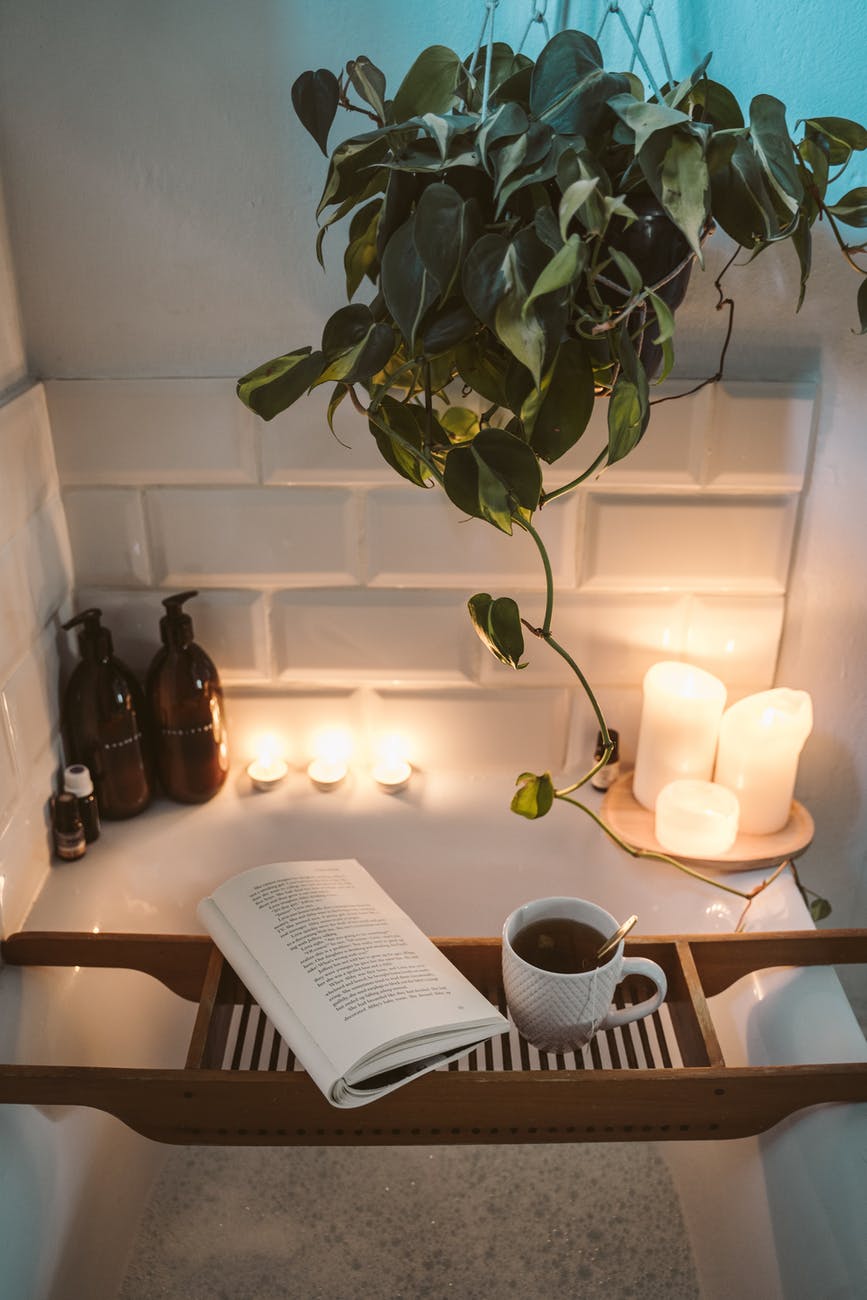
- Take time for you, this can be as simple as listening to your favourite song locked away from the kids in the bathroom or a walk down the garden in the sunshine. Whatever gives you a snippet of joy, do it, guilt free.
As well as taking these steps to reduce stress it is important to look at what is causing your stress and look at whether there is anything you can do to prevent it in the future. Are you taking on too much? Are you putting too much pressure on yourself to get things done? Could you share the burden with others?
Stress prevention is becoming even more important with the growing trend of multiple hustles and no real downtime. I hope these tips help you to reduce some of the stress in your life 🙂
 HPS.Healthandnutrition