Phytonutrients and anti-nutrients are two words I didn’t know much about until recently, so now i’m going to share their importance with you.
Let’s start with anti-nutrients, these are natural or synthetic compounds that interfere with the absorption of nutrients. This means that you wont get all the benefits of the foods your eating.
Alcohol, as an anti-nutrient, has a diuretic effect (causes the kidneys to make more urine). It can deplete A, B, C, D, E and K vitamins, iron, magnesium, selenium, zinc and folate.
Similarly, sugar depletes vitamins, in particular B vitamins, and minerals (magnesium, zinc and phosphate).
Other anti-nutrients include:
| Anti-nutrient | Food sources | Implication | Food prep to reduce anti-nutrient effect |
| Lectin | Nuts, legumes, fruit, vegetables | Altered gut function, inflammation | Soaking, boiling, autoclaving, fermentation |
| Oxalates | Nuts, legumes, sweet potatoes, spinach, beetroot, rhubarb | May inhibit calcium absorption. Increased risk of calcium kidney stone formation | Soaking, boiling, steaming, pairing with high calcium foods |
| Phytate (IP6) | Psuedocereals (amaranth, quinoa, millet), nuts, seeds | May inhibit zinc, iron and calcium absorption. Antioxidant effects. | Soaking, boiling, germination, fermentation |
| Goitrogens | Kale, cabbage, sprouts, broccoli (brassica vege) | Hypothyroidism, inhibition of iodine intake | N/A |
| Phytoestrogens | Flaxseed, soy products | Hormone disruption, increased risk of estrogen-sensitive cancers | Steaming/boiling |
| Tannins | Tea, cocoa, berries, nuts, beans, wholegrains, grapes | Inhibit iron absorption and iron stores |
By soaking grains, beans, nuts and seeds phytase is activated, this starts the breakdown of phytic acid. This frees up vitamins, minerals and amino acids, making them more bioavailable. This prevents mineral deficiencies and increases the amount of vitamins.
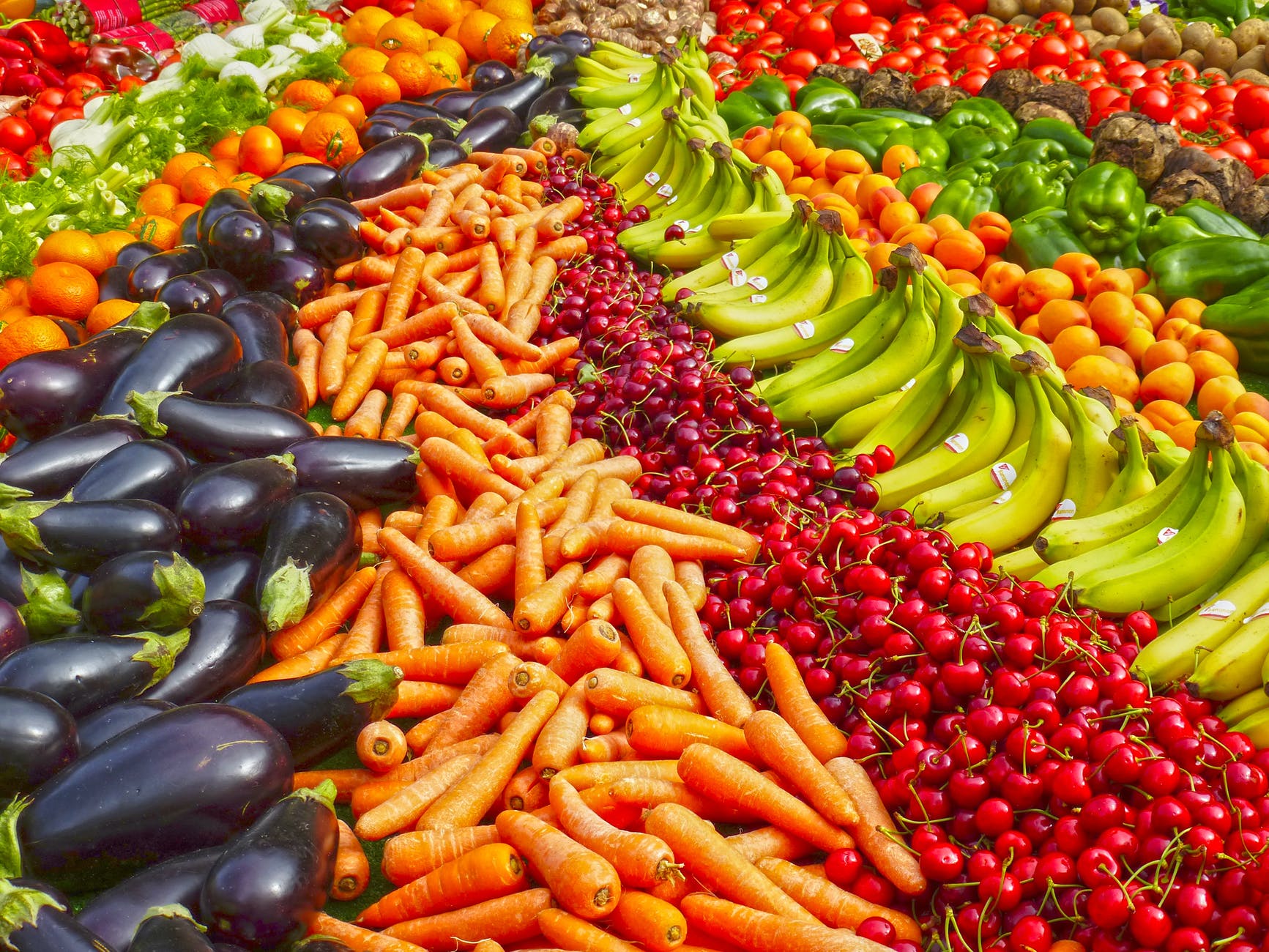
Phytonutrients on the other hand are the good stuff! ‘Phyto’ is the Greek word for plants and phytochemicals help protect plants from bugs and threats. Although they are not essential, they can help towards your optimum health and lack of disease.
Fruits, vegetables, wholegrains, tea, pulses and nuts all contain phytochemicals. There are more than 25, 000 phytonutrients but we will just focus on a few here:
Resveratrol: Found in grapes and red wine. It acts as an antioxidant and anti-inflammatory.
Glucosinolates: Found in cruciferous vegetables, e.g. broccoli, sprouts, kale and cabbage.
Flavanoids: There are several types of these phytonutrients:
Catechins – Found in green tea, these can hep prevent certain cancers.
Flavanols – Quercetin being the most researched, found in apples, kale, berries and onions. It could help reduce people’s risk of asthma, certain types of cancer and coronary heart disease.
Lycopene: Found in red and pink coloured fruit e.g. tomatoes and watermelon. Links to lowering prostrate cancer.
Caratenoids: Found in yellow, orange and red coloured fruits and vegetables, e.g. peppers, tomatoes, carrots. They act as antioxidants in the body, tackling free radicals that can damage tissues.
If you are trying to incorporate as much fruit and vegetables into your diet as possible, you will find you are getting the antioxidant benefits already. As a challenge see if you can fit 30 different plants per week into your diet, your gut will thank you too! If you can’t do 30, then see how many you can get to. Would you like me to share how I get on with this challenge?
 HPS.Healthandnutrition