Confused about where to get key nutrients? This blog will break it down and hopefully give you a one-stop shop on what foods contain those nutrients that really benefit your health.
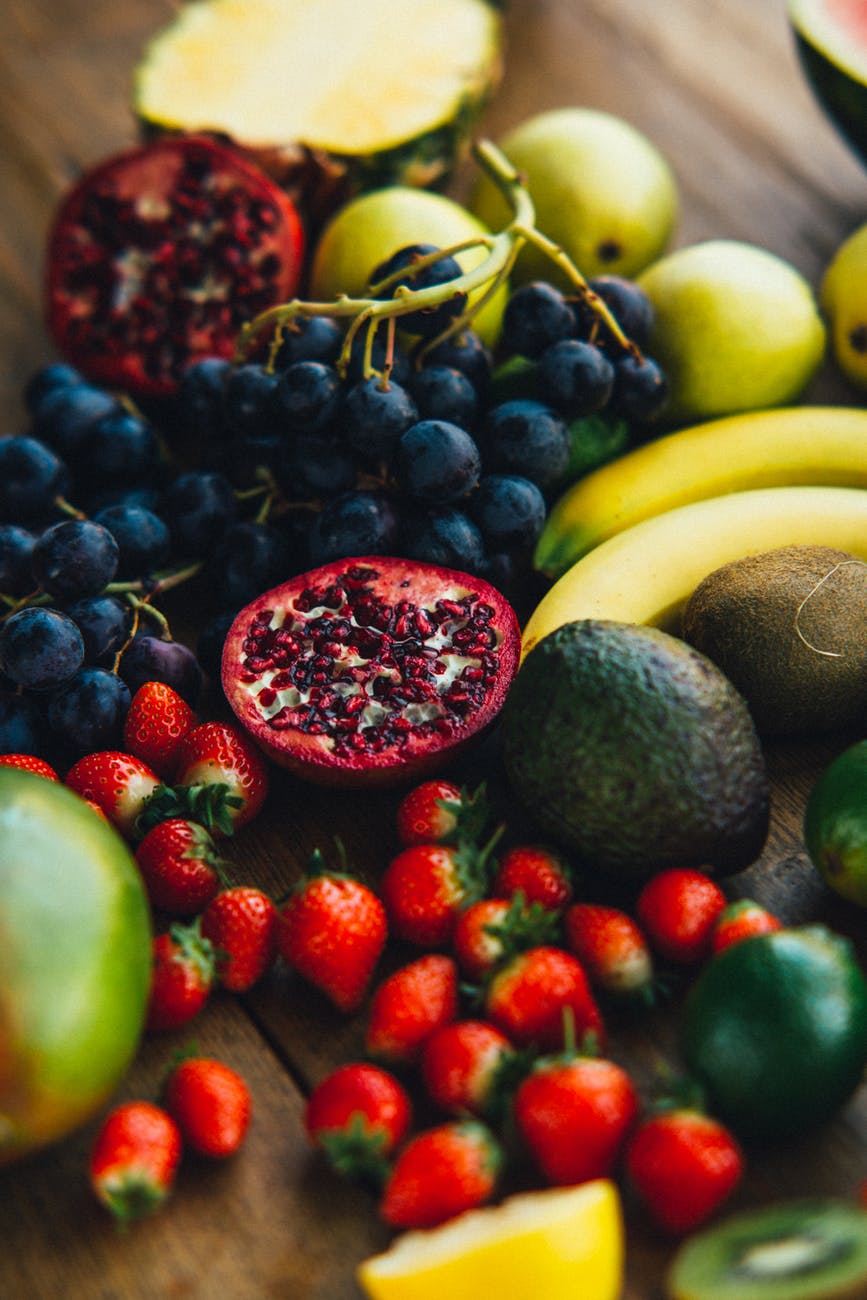
First we will look at vitamins:
| Vitamin | Benefit | Source |
| B vitamins are water-soluble, so are lot easily through bodily fluids. Therefore it is important that these are replaced each day. | They help to keep your immune system healthy. They also help with the release of energy from food. | B1 – seeds, nuts, yeast, pork and egg B2 – spinach, fortified cereals, dairy and liver B3 – Meat, fish, grains, nuts, leafy greens B9 – eggs, chickpeas, leafy greens B12 – meat, fish, eggs, algae, yeast. (It is advised to take a B12 supplement if you are vegan to ensure you are getting adequate amounts) |
| Vitamin C, another water soluble vitamin. | This is important in maintaining healthy skin, cartilage and blood vessels. It also plays a role in immunity, assisting the passage of white blood cells to the site of infection. | Colourful fruit and vegetables, including oranges, peppers and broccoli. |
| Fat soluble vitamins: | ||
| Vitamin A | Supports eye health, immune support, skin health and is a powerful antioxidant. | Fatty fish, eggs, poultry and orange and yellow fruit/vege (Important to note that excess in pregnancy may harm the baby) |
| Vitamin D | Helps with calcium absorption and supports the immune system. | Eggs yolks, oily fish and dairy. Recommended that everyone in the UK takes a vitamin D supplement, due to lack of sunlight exposure and sunscreen use. |
| Vitamin E | Powerful antioxidant and cardiovascular support. | Avocados, eggs, nuts |
| Vitamin K | Important for blood clotting and therefore wound healing. | Green leafy vegetables, vegetable oil and some cereals |
By enjoying a healthy, varied diet most people can easily consume all these vitamins. If you don’t eat meat/fish there are plant-based alternatives for most, with the exception of B12 which it is recommended to supplement.
| Mineral | Benefit | Source |
| Calcium | Important for bone and teeth health and muscle function | Milk, yogurt, spinach |
| Iodine | Essential for thyroid function. Also vital for brain development and bone maintenance | Fish, seaweed, eggs and dairy products |
| Iron | Needed for oxygen transport and to support the immune system and brain function | Red meat, tofu, shellfish, broccoli |
| Magnesium | Needed for energy production, heart health and muscle contraction | Leafy greens, nuts and avocados |
| Selenium | Immune support, prevents cell damage and promotes a healthy reproductive system | Brazil nuts, eggs, meat and fish |
| Zinc | Found in every cell in the body this is important for immune support, fertility and skin health | Shellfish, red meat, eggs and chickpeas |
Omega-3 fatty acids are also important for maintaining health. They have many benefits, including regulating inflammation, improving blood fats and cholesterol, maintaining healthy eyes and supporting the nervous system. These can be found in oily fish, walnuts, chia seeds, seeds and hemp.
In my next article I will look at phytonutrients, what they are, their benefits and where to find them and, anti-nutrients, what they are, their benefits and where to find them.
 HPS.Healthandnutrition